
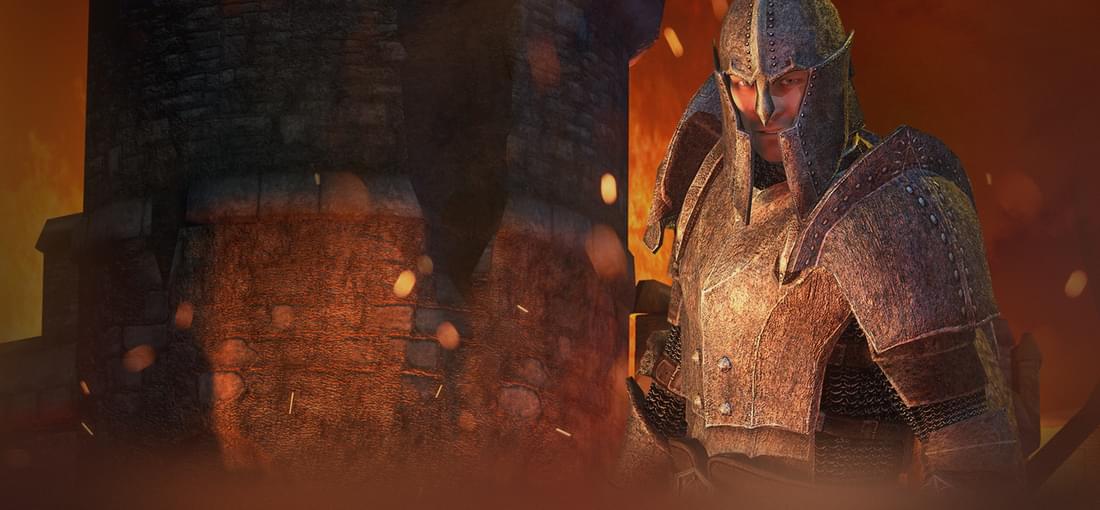
Ahh, Cyrodiil again... I played Oblivion shortly after it first came out in 2006. It was a strong follow-up to Morrowind, one of my very favorite games, and is still enjoyable to this day, though its flaws are more evident. Still, anyone who enjoys RPGs should definitely give this a look. The Good Stuff: The game, like other TES titles, has strong roleplaying possibilities and offers a wide variety of classes, races, and skills to explore. The gaming world is huge and well rendered, and the vastness of Cyrodiil is still rather amazing given that the game is two decades old. The architecture and scenery of the world hold up better than the character models, but it all looks good enough for reasonably immersive gameplay. There are a ton of quests and things to do, though some activities are more fun than others. The DLC packs enhance and improve the gameplay options, and the Shivering Isles expansion is one of the meatiest DLCs I've seen for any game. It greatly expands the landmass and length of gameplay. And like Morrowind, the game comes with modding tools, and there are a ton of mods available to improve everything from textures and the leveling system (more on that below) to broken quests and unpatched bugs (definitely download the unofficial patches before playing). Okay, the not-so-good stuff: The main Oblivion quest wears thin quickly, especially the part where you have to close 10 Oblivion gates. Much of the problem has to do with so much of the game feeling like cut-and-paste quests, dungeons, ruins, and other areas. In other words, the biggest sin of the game is that the developer's believed that more is better, when in this case more is simply more--to the point that things get stale after a while. Some of the side quests and guild quests are interesting, and the Shivering Isles main quest was...rather unique. However, after you've cleared out your third dungeon or ruin, there is nothing really left to see. Compounding the occasional boredom is a leveling system that feels broken, largely because everything in the gaming world levels up with you. Thus, that same skeleton or zombie that gave you trouble at level 2 can be just as challenging at level 22. Fortunately, there are mods that fix this, but it's a shame that such a lazy system of difficulty management was included in the game in the first place. And, of course, no Elder Scrolls game would be the same without the occasional crash to desktop, so save often. Although I think that Morrowind is the better, more foundational game, Oblivion weathers the test of time better and is still worth your time in 2025. I think that both of these games are better than Skyrim, which is a good game in its own right. Like other TES games, Oblivion is quite a time commitment, so be prepared for overly long dungeons, long overland walks, and the wrong-headed "more is better" approach of the game. Overall, I still highly recommend Oblivion, especially on sale.
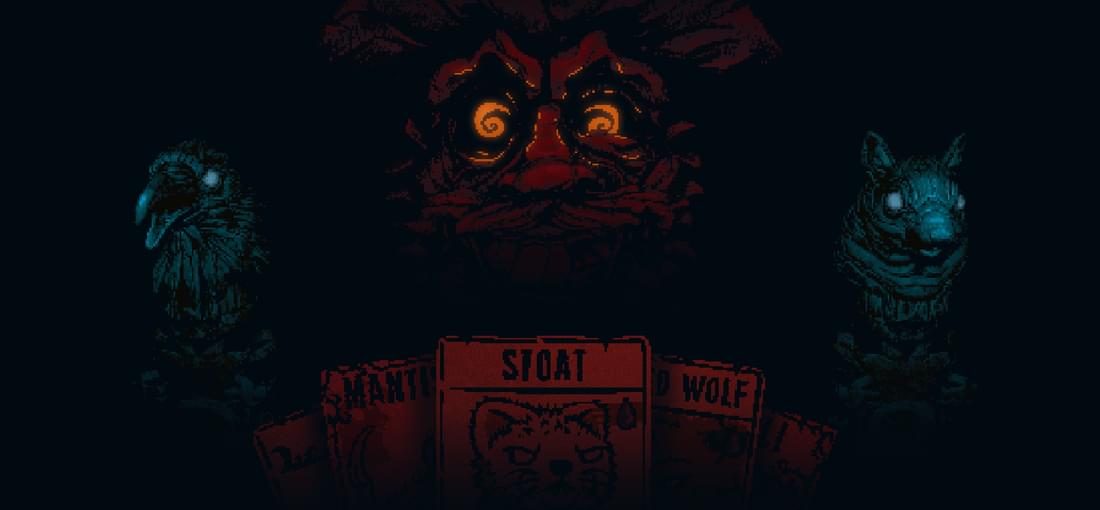

Many thanks for the demo--it clearly demonstrated the shortcomings of the game. It's simple and obtuse at the same time. A rock-paper-scissors card game in a dark room with no real payoff for repeated matches. A much more fun alternative would be Ring of Pain or Balatro. Hard pass.
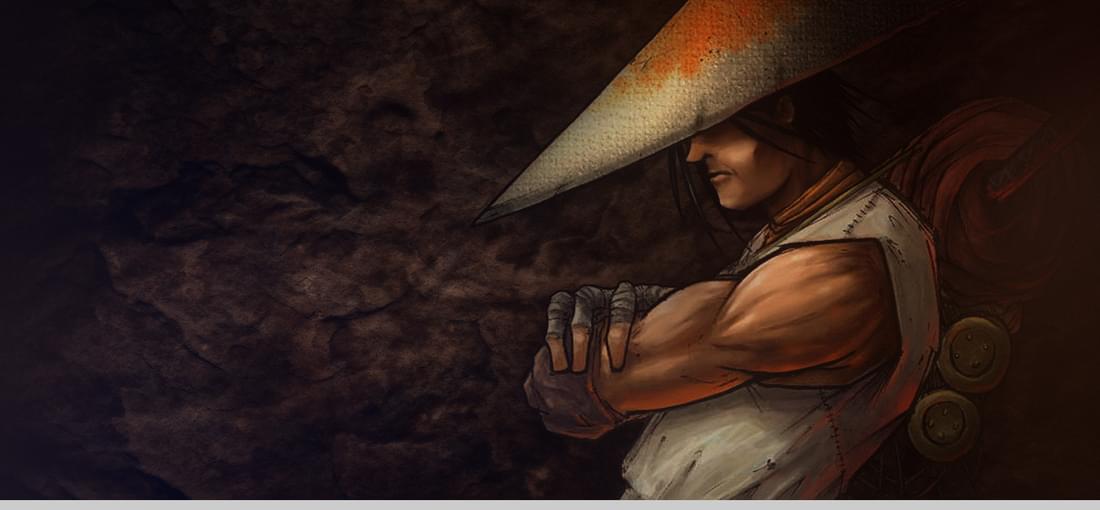

I played this several years ago and really enjoyed it. I picked it up again this week and uninstalled it after a few sessions. The gameplay did not age well, nor does the campaign draw you in enough to tolerate the game's flaws. The good part: The unit creation and upgrade systems are unique and involve cycling units through different buildings to create various combinations of units and skills. It's a solid system that is not too complicated and that keeps the game dynamic and fresh. There is a good array of hero units among the four factions, and the AI plays decently enough. The not-so-good part: The campaign is mediocre, and most missions end with you having to hunt down every last peasant and destroy every last hut. The resource collecting and base sprawl are as stale and unsightly as they were 20 years ago and distract from the otherwise engaging fighting. Graphics, sound effects, and music are passable, though map textures are a bit washed out and low-res. If you like RTS games, this is certainly worth a try. Again, I really liked it during my first play-through some years ago, and it is rather unique among RTS games. It's easily worth $5.
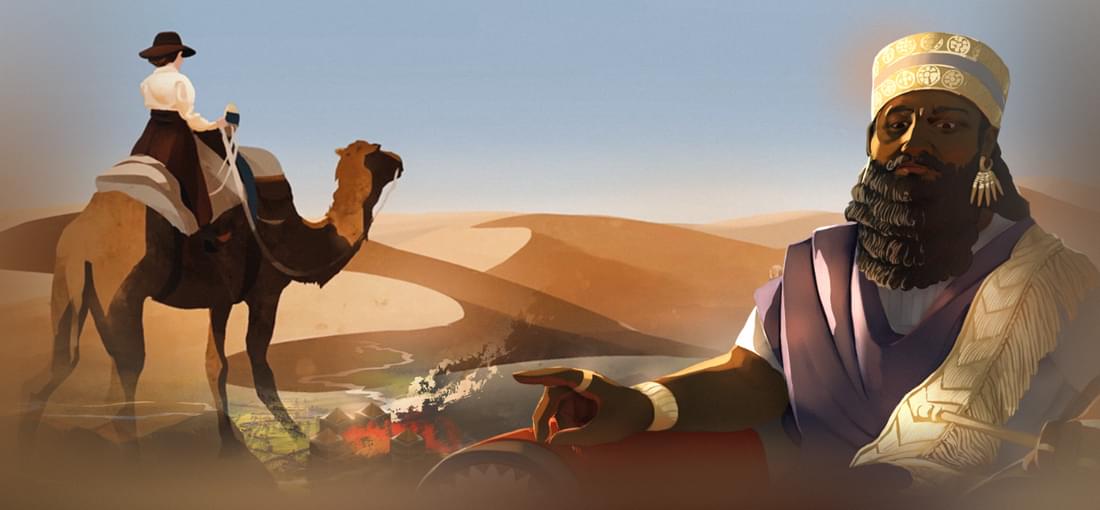
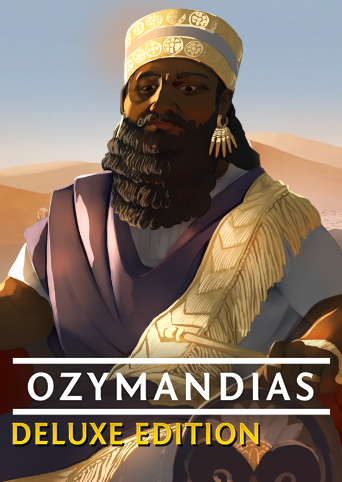
For those who never got into the Civilization series but still wanted a historical, turn-based game, this is a solid alternative. The tutorial and story campaign quickly get you up to speed, and there are about 10 different maps to play on in single- and multiplayer. There is a lot of similarity between factions, but geography and map position (and some player imagination) make the scenarios feel convincing enough. There are several win conditions that you can set, and you have a lot of choice regarding the objectives that you can pursue. The AI is quite competent, and graphics are simple but effective. This is an easy recommend in the $5-10 range. However, do check out the demo, which convinced me to buy the game.
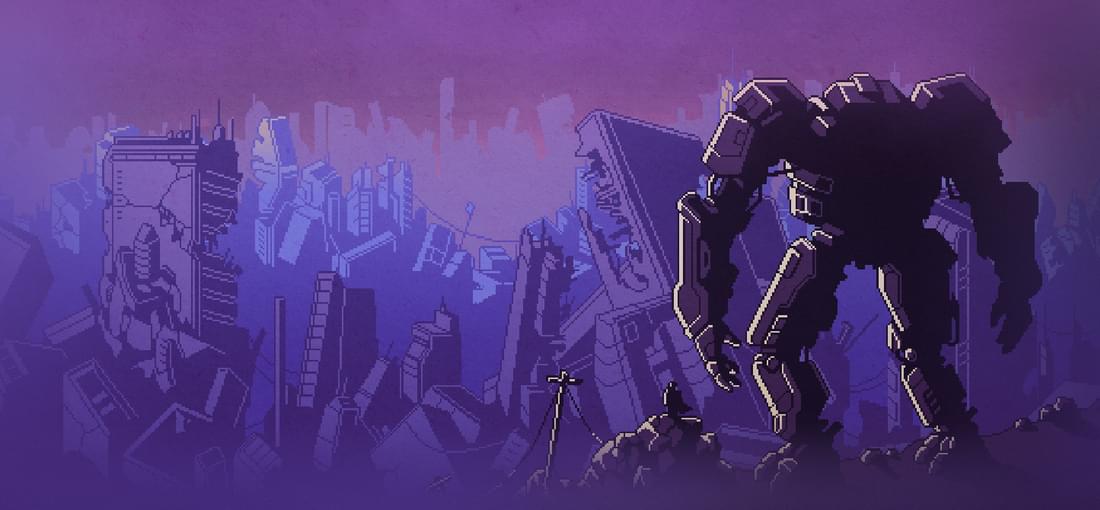
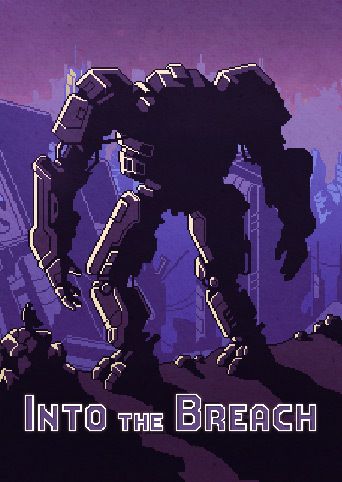
This is a somewhat interesting rogue-lite puzzle game in which you move your 3-mech army around on a small grid to keep alien insects from destroying civilians in buildings. It held my interest for about an hour before I realized that I was simply moving puzzle pieces on a small grid in order to defend a set number of buildings--wash, rinse, and repeat. There's nothing wrong with this if you like puzzles, but it got old quickly for me. The upgrade system and weapon unlocks were anti-climactic and really didn't shake up the basic, repetitive formula of the game. This developer's other game, FTL, is a much better use of time, and I highly recommend it. Into the Breach is a bit of a downgrade.
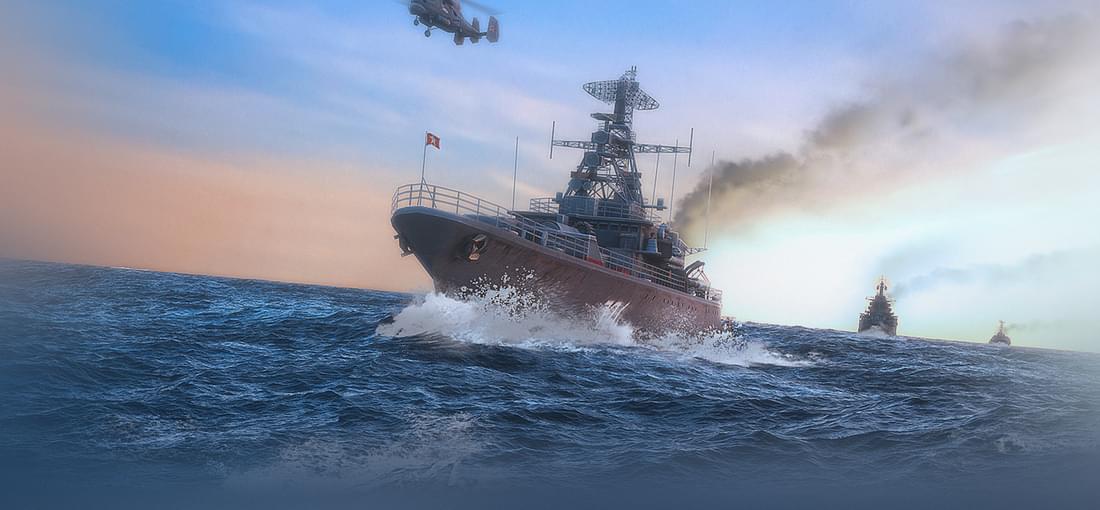
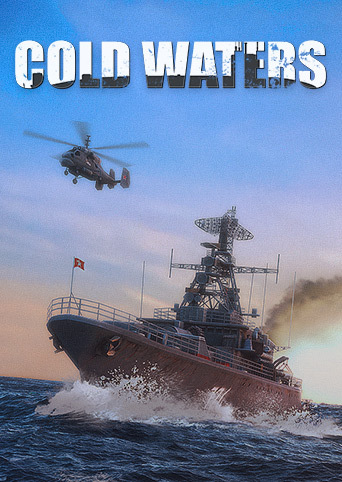
I bought this game years ago based on the concept, videos, and screenshots. It was a mistake. You really shouldn't touch this game unless you know something about naval and submarine warfare, or have the patience to follow the steep learning curve here. I should say upfront that I know next to nothing about submarine warfare, so I was really hoping to be educated by the game. Sadly, I never made it past the tutorials. The game assumes a certain amount of technical knowledge concerning submarines, and the tutorial instructions are all in writing. The controls are not all that intuitive, and the action proceeds without much in the way of explanation or player input. The game still looks good, has some voice acting (mostly commands or brief status reports), and the music creates atmosphere. But none of this matters if you don't know what you are doing or where to start. Again, only try this if you know something about submarines. The game is not going to hold your hand, even in the tutorials.
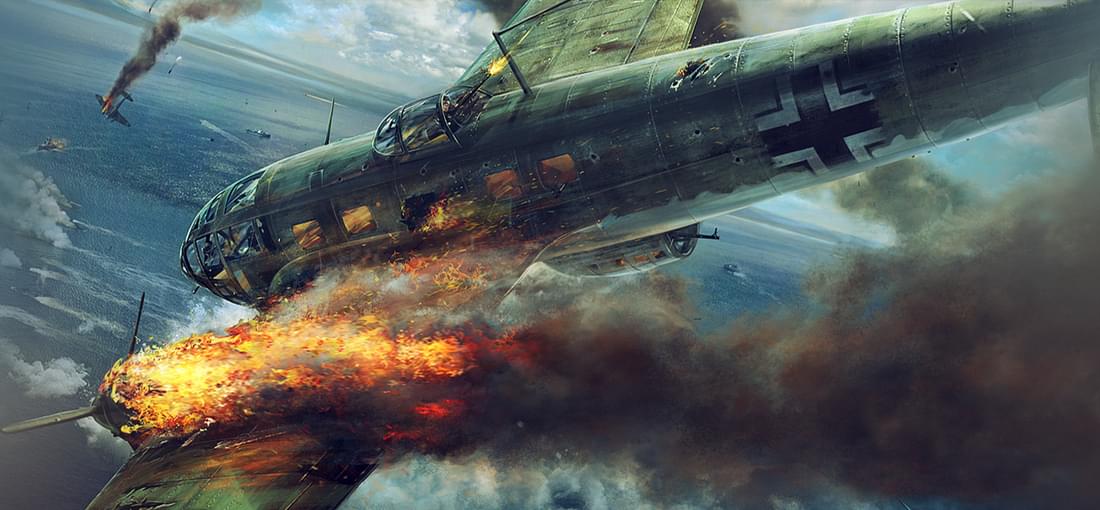
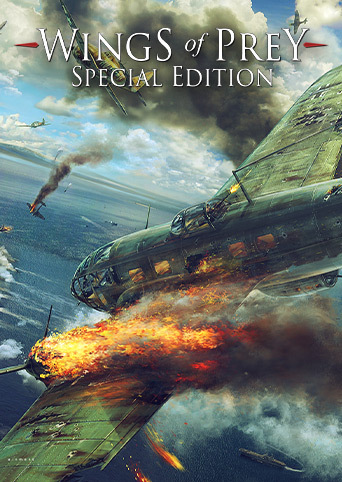
Although I didn't finish it, I liked Wings of Prey overall. The gist of it is that you are a WWII pilot fighting for the Allies in Europe. You get to do a number of kinds of missions in several different planes of varying quality. For its age, the game looks great, and the music and voice acting are well done. The tutorials are decent, and the game has multiple difficulty levels. I played on arcade--which is casual or easy--since the higher difficulties have you flying planes that feel like bouncing jalopies. The main problem with the game is the controls. If you don't have a Hota joystick, you are probably going to have a less than optimal experience. I played with an XBox360 controller. Although I could remap the buttons, the flying and fighting never felt quite right. It ranged from passable to sloppy and janky. Alternatively, you could play the game with keyboard and mouse, but I think that would be a nightmare. You really need a Hota to get the best experience. If you have a Hota or a compatible gamepad, this is easily worth $10. I am probably done with it since I no longer have the patience that I used to have with finicky or awkward games, but I did have a fairly good time playing through about a third of the campaign for several hours.
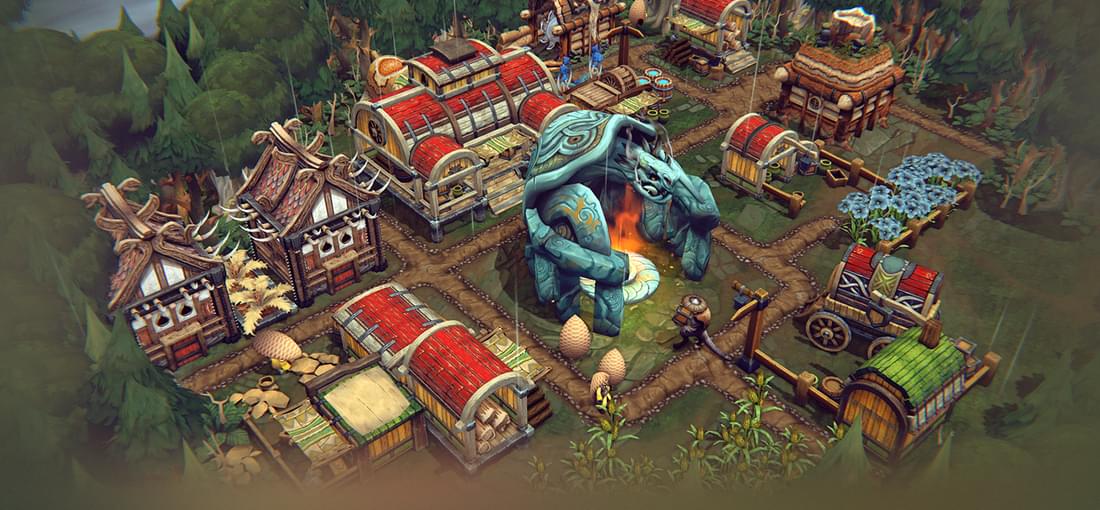
I found this tedious and underwhelming. I am not sure why it gets such high marks from some players. It's like taking the base-building from a late 1990s real-time strategy game and then making a game out of that mechanic alone. After enduring the demo for 15 minutes, I completely failed to see the point of it. Anyhow, this was a 1-star experience, but I am going to give it 2 stars, since I do appreciate the fact that the developers did release a demo, which is rare nowadays.
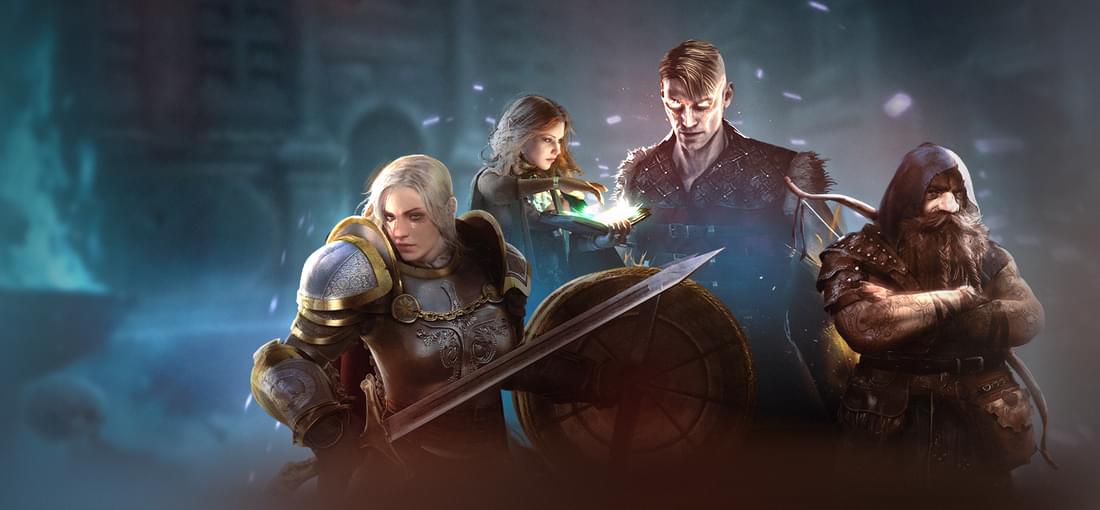
This is an average, middle-of-the-road computer RPG. It doesn't do anything particularly well nor does it do anything especially badly. The real attraction here is the implementation of D&D rules and the turn-based combat. Both are reminiscent of the Baldur's Gate and Divinity games. Other than that, this is a poor man's rendition of those games. The base Solasta game includes only about 5 classes, 5 races, a rather bland campaign, and stock characters that you have probably seen in every other copycat RPG game. To be fair, I did like the environments, and there is nothing wrong with the inventory management, spell-casting, travel system, or music. Fortunately, the difficulty level can be adjusted during gameplay, which is great since there are a number of ridiculously unbalanced fights that start cropping up around 5th level. Also, the death system is forgiving, and your characters won't die in combat unless they are left without any treatment for too long or the whole party gets killed. Again, it's an acceptable game; the main problem is that it's all been done before and better. If you can get this for $10 or so, it's worth a try. Also, there are modding tools and mods that add value to the core game, as well as some expansions (none of which I have tried). Otherwise, there is nothing to see here if you are looking for something on the level of Baldur's Gate, Divinity, Dragon Age: Origins, etc.
I played this for several hours over a weekend and found it quite fun. It has a little bit of a learning curve beyond the tutorial. However, it's easy enough to grasp the core mechanics. The game is a randomized series of encounters and mini-quests that push along the narrative of you being a starship captain chased by a rebel navy. There are some light RPG elements, such as upgrading equipment and leveling up your crew members. However, most of the game is crisis management--literally putting out fires, fighting off ship invaders, and repairing damaged systems. The visuals and music are minimalist but adequate enough. Combat is a core mechanic of the game, and it never got old. The randomized maps also keep things interesting. Be forewarned: the easy difficulty setting is actually what I think will feel like normal for most players, so I would recommend starting there. Also, the last fight is ridiculously hard, and nothing prior to that point really prepares you for it. This is the only reason the game loses a star in my rating. You can look online for tips and videos that I guess would help you with this last encounter. However, since so much depends on random elements regarding your equipment, crew, available stores, and other variables that change from run to run, do plan on losing FAR more games than you will ever win. Overall, I enjoyed this game over the three days that I've played it. I'm putting it down for now, given my cluelessness and frustration over how to win the final fight. However, I'll probably pick it up again at some point. Also, there are some good mods available for improving graphics, adding more ships, and so on, thus replayability is good.
