
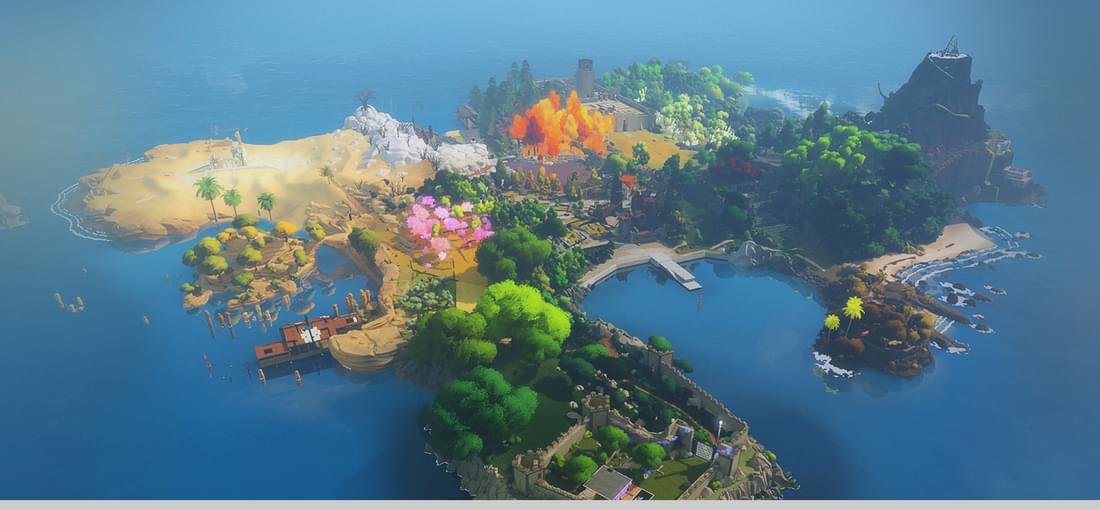
Jonathan Blow's take on the Myst likes is, I think, a not very satisfying game. His way to design puzzles is "repeat this puzzle a lot of times, in increasing difficulty", instead of showing variety. More than the 7th Guest, more than in Professor Layton games, and much more than in Myst games and clones, you feel like you are doing crosswords. There are definitely some good Myst like touches in here, and aesthetically is something lovely, but as a game it relies so much on repetition that I cannot say I recommend it.
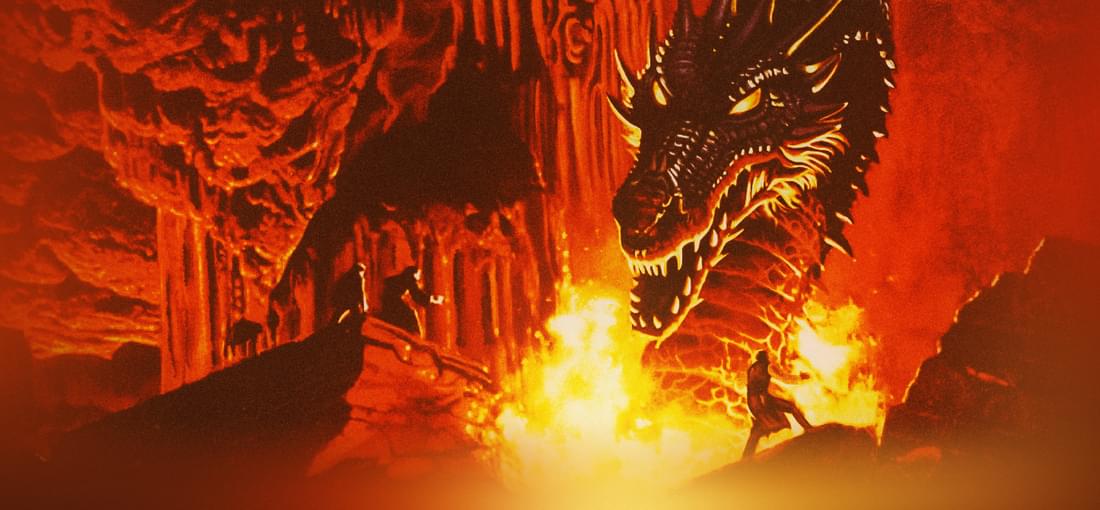
I completely disagree on other reviewers that say that Legend adventures were more serious than Sierra ones (even their most "serious" game, Mission Critical, takes itself much less seriously than The Dig). The thing with their games is that they took the "one action is one unit of time" design philosophy of the text based games when they moved to a graphic interface, so you will find a different kind of game here. They wrote really well, they adapted whatever franchise like no one could do, and they mastered the adventure game puzzle design, not too difficult, not too unforgiving, just challenging enough. Be ready to have a great time with this very fun adaptation of the well known fantasy saga.


Sierra, looking at the interviews from people that worked there, seemed to be a very collaborative environment where a programmer/designer usually had a small credited piece in an adventure before jumping onto a personal project. Josh Mandel had already been working on a number of Sierra games, most famously the great edutainment title Pepper's Adventures in Time (that one co designed by Gabriel Knight's Jane Jensen, Eco Quest's Gano Haine and Puzzle of Flesh's Lorelei Shannon), and he would jump to the problematic Space Quest 6 and the wonderful Callahan's Crosstime Saloon, but for this one he joined with one of the better and, after all, most overlooked of the puzzle designers in adventures, Al Lowe. Both have a similar sense of humour, both love bad jokes, both love their settings and their characters, and both are generous with the descriptions. That is what makes Freddy Pharkas so charming. Not only it is one of the few western adventure games out there (to me, the better one), but it has a team that really love what they are doing and are overflowing with ideas, jokes and pure love. The very western tropes are everywhere (though mostly it is a kind of adventure remake of, yes, Blazing Saddles, including toilet humour), and when you get to the expected High Noon finale you are completely engaged with what you have been told. The puzzle design is excellent, except a couple of situations that depend on the copy protection, the music is wonderful, everything looks great, and everything, just everything, has a description. It's a game where you try everything with everything just to get the unique response from the narrator (who is probably Al Lowe himself). It's like what Gaiman and Pratchett did in "Good Omens", but in a game. It is one of my favourites. Just another advice: play the floppy version. The CD one lacks a lot of the very well written text.
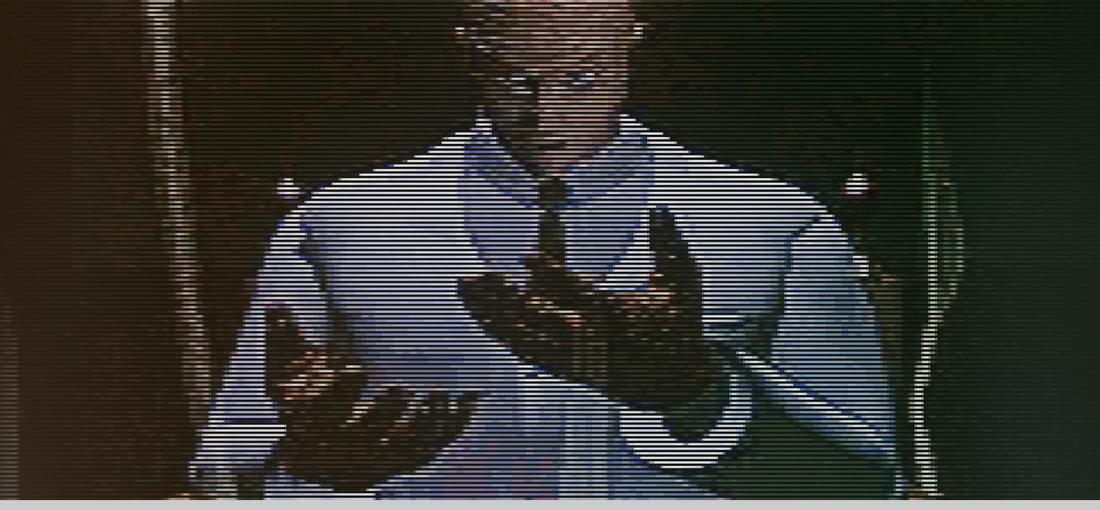

D promised to be a moody game that followed the steps of The 7th Guest but being more tied to the psychological horror (true psychological horror I mean). I remember the demo for it was quite impressive, showing you the incredible intro and the first shocks. Old style CGI cannot quite diminish the cinematic quality of that intro that manages to be a psycho thriller and lovecraftian/clivebarkian horror at the same time. Oh, but you know what? There was barely any other gameplay apart from the promised in the demo. I think there was one or two puzzles (one or two, not joking) and the rest of the game is just clicking to "enjoy" non interactive scenes that slow the pace (with a time limit!). The developers/producers had a great setup and did not know what to do to make a game out of it, and the effort really feels poor and rushed and extremely short. Recommended only as a curiosity artifact, to know what was the deal with FMV (full motion video) games and why they end up being a dreaded bunch.
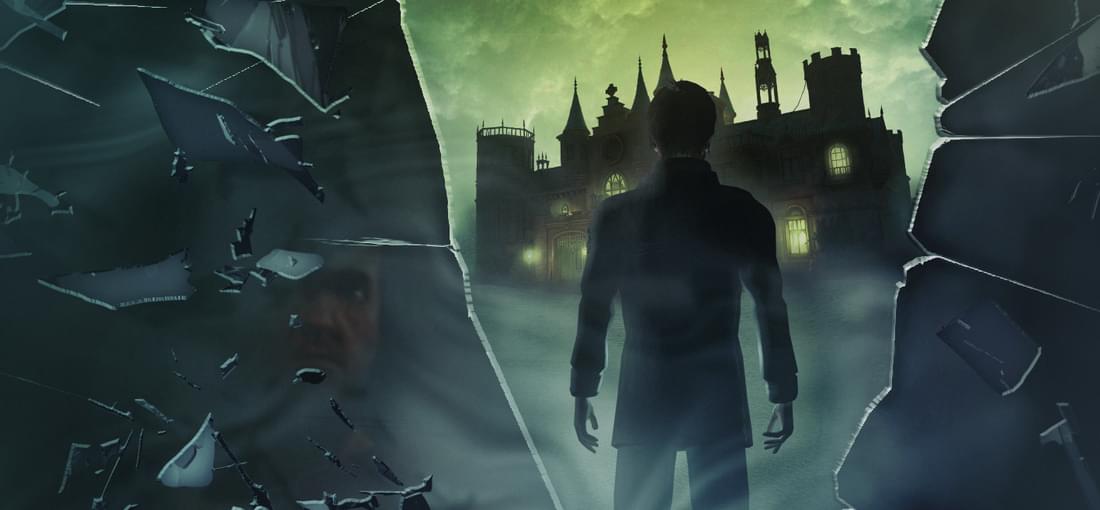
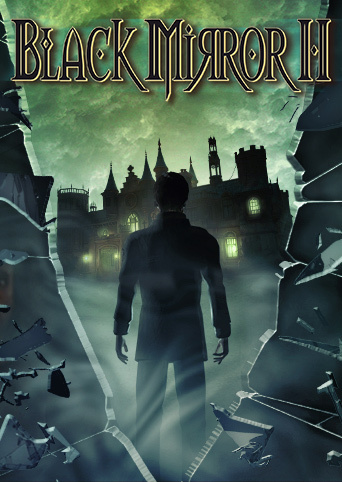
The arguably first game by Kingart (The Book of Unwritten Tales, The Raven: Legacy of a Master Thief) already shows how solidly they design the adventure games. Though not as moody as the irregular first part, it depends on it to tell a story of a foreigner that gets involved in the gothic saga of that family. Play the first Black Mirror, with a walkthrough if you want, and then move to this one and wonder about the improvements in humour, puzzle design, narration, and enjoy the several pop culture nods (horror movies and other things) that the game has in spades. One of my favourite adventures of the later years.

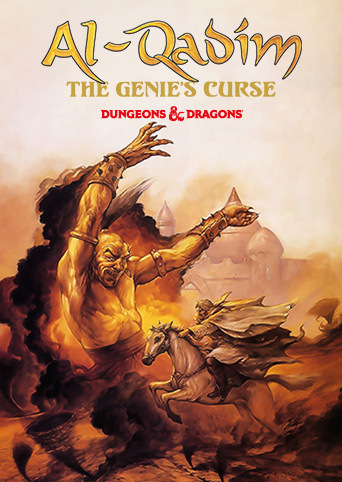
You know, every time a game is released in GOG a bunch of people come in and give 5 stars just for nostalgia glasses and some kind of support. Not me. I am usually very cold about the games I played 20 years (ouch!) ago, but not this one: Al-Qadim was, at first, some kind of rpg-lite made for PC, a kind of Zelda or Terranigma with more colours and clunkier scroll and movement, but it ended up being one of my favourite games. Why? - First: for the setting, a very beautiful arabian one, I think the only time it has been seen in a crpg. - Second: for the music, the best oriental-like one at this side of Quest for Glory 2 and Prince of Persia 2. - Third: for how very well written it is, as the plot is not only full of twists, but it is always a pleasure to follow. - Fourth: for the (linear) game design, so clear in its objectives. And - Fifth: for the mix of the four previous points, that makes this a very fun and sweet adventure. How I wish it had a second part and I had not to play it every two years to enjoy it again. One more thing (that I will add in the forum): there is one part at the beginning where you come back to the village to have a meeting. If the dosbox cycles are too high, the people used to get stuck. Just lower them to the minimum at that part if this happens to you.

A kind of twin game to "Dark Seed 2", that reflects on the many kinds of horror of gothic north america. Lots of surrealism, some not-so-good mechanics, but a memorable game and a wonderful unique experience.
First review here? I actually loved this game when it came out: made by the same team behind Al-Qadim (another game I go back to from time to time), it is as unique as that one: not only it is a good action adventure, but its nearly Cronenberg-esque story is quite fascinating. Really good, really fun, just not very deep, but still one of my favourites.
Lighthearted adventure from Westwood that has all the virtues from their games at that era (mostly those gorgeous graphics), much better puzzles than the first part and a much more interesting plot than the third one. Good and forgiving puzzles, excellent environments, and just one thing that I didn't like: an unnecessary Hanoi towers puzzle in the end. Recommended, as it one of the better adventures in GOG.
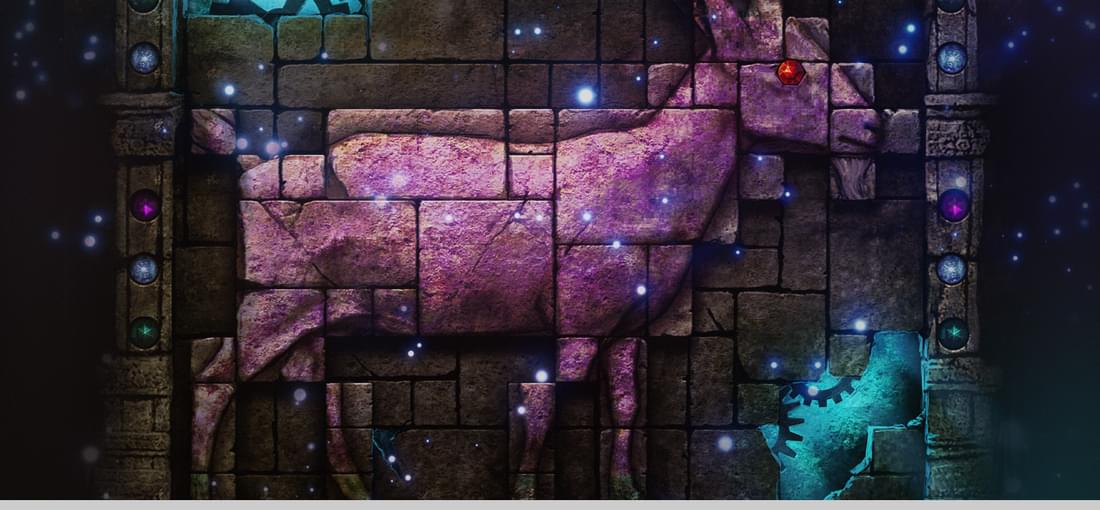
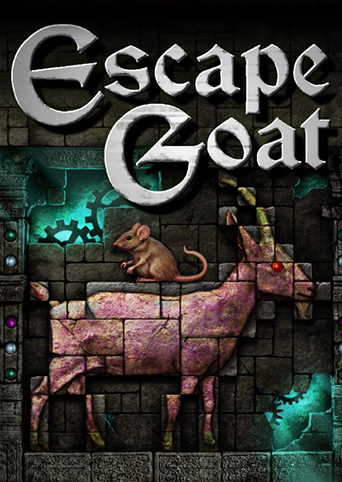
The main game is a series of puzzle levels, very classic in their design and very well thought and well crafted, that introduces you every new feature gradually, so when you are at the end of the game, things get really difficult. Other available levels, once you finish the main "campaign", are much more devious, but just for the entertainment of those first levels this game is really worth of it.
