
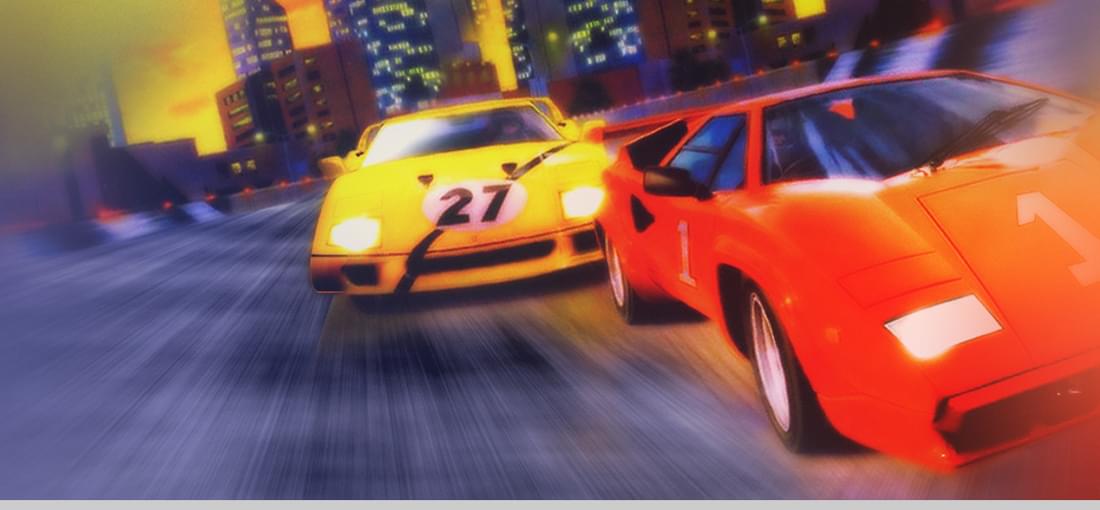
Screamer has all the points of an oldschool arcade racer, the closest you'll probably find to the game is Daytona USA (1993). Despite it's age, it's still fun today. Track and Car selection is quite small, but it's not really an issue. Each car handles differently, and the aim becomes to select the 'right' one to shave off that extra 1/100th of a second off your best time and finding the perfect path. A lap of each track only takes under a minute, and (what I consider a huge plus) it's quick to reset to the start and try again to gain that perfection. Graphically, Screamer is very low poly and suffers from a fair bit of pop-up, but not enough to make racing difficult or distracting. It also goes for a more vibrant colour scheme than other racers at the time and those around now. With a lack of lighting and other modern features, this works well to the games advantage (check out a few videos, or the demo rather than screenshots). Musically, we have fairly standard Allistair Brimble (ID3 tagged). This is both good and bad. Most tracks are fairly forgettable, but unlike a lot of modern racers, we are not hit with whiney rock or emo music. Instead a generic metal soundtrack takes its place. Unfortunately, there is no singing a'la 'Rolling Start', though some of you would also consider this good :) The most fun to be gained with this game I found came about from the GOG started Time Attack challenge. It's over now, but join in on the forums and compete with the rest of us (or suggest your own requirements for one).
The second game in the Broken Sword series continues with the standard and style of the first game, to which "The Smoking Mirror" takes off a couple of months down the track after the ending of. Unlike many adventure games, the puzzles in "The Smoking Mirror" are very logical and rarely will you find yourself stuck for long. While this is great to those new to the genre, or to those who dislike hard puzzles, it may prove disappointing to genre fans. There is no strange combination of items and method here. But disappointment will only last a short while, as the games story, voice work and plot are all rather engaging. Characters are quite clear in who they are by personality and actions. For the large portion of the game, you control the character George, but for some diversity you have control of Nico at certain areas. The two characters themselves have different views on solving puzzles, and Nico will even remark if you try to do something "George would do". The Negatives? Only two stand out. 1) There are one or two points where the games takes too large a jump between scenes and you feel like you have missed something. Exposition by the characters does help, but can feel like it is tacked on. 2) The maze puzzle near the end game, finding paths can be a bit of pixel hunting not seen much in the game. And a Mayan Glyph puzzle that is twice as long as it should be. There, that was a reach even to grab those two. In short, "The Smoking Mirror" (And the first game) represent the best in the Broken Sword series. Genre fans yet to play should really consider getting this. Even if you don't really like "Point'n'Click" give it a go, as it's one of the few games that gets just about nearly everything right.
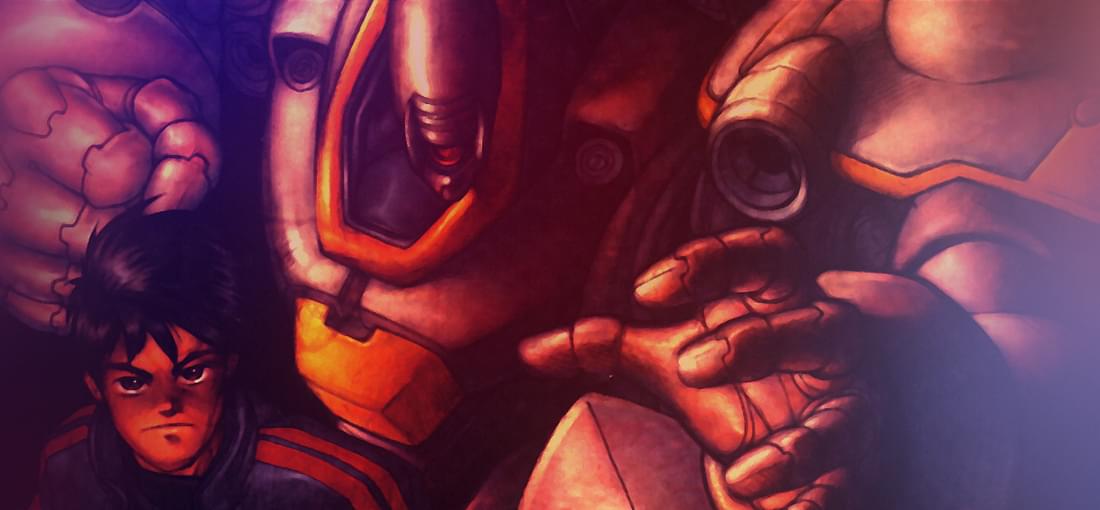
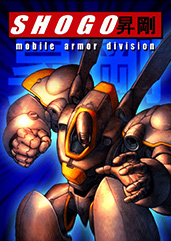
The idea of a Mecha-Anime themed FPS sounds rather good, but all in all, the result of Shogo is rather poor. Small levels (Some are 1 or 2 rooms large) make it popcorn sized enough to tolerate, such that you can finish the game off in a couple of hours. Uninteresting characters, bad dialogue and plot come next. I just can't care enough to be interested in anything. The 'human' mode missions have a great difficulty spike compared to really *really* easy mecha combat. quick-save/load will be used extensively. The promise and concept are all there, but sadly Shogo just falls flat and there is not really anything positive to say about it.
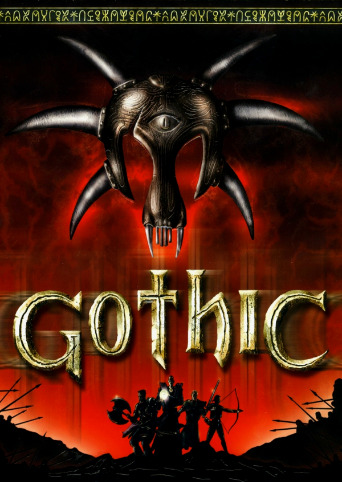
First off, as many have mentioned, the default controls are quite horrible. Spend a good while in reconfig and running about the opening area learning how to use them. Once past that, the game gets a lot better and a slow progression becomes quicker. But be warned, if you stray too far into the wild or away from the main story arc, prepare for punishment in combat. Low level creatures are quite a challenge for those brought up on RPGs where you beat rats with a stick. There is much to the game world that can go unnoticed, such as the crafting system that is more involved than clicking a button that can surprise one once they get to it. So be sure to talk to everyone and find out what interactions you can do. Gothic is one of those games that people love or ignore due to many clunky features. But to really get into it, you need to spend an hour or four before it just clicks. The series improves as it goes along, but as game #1 it's a decent start.
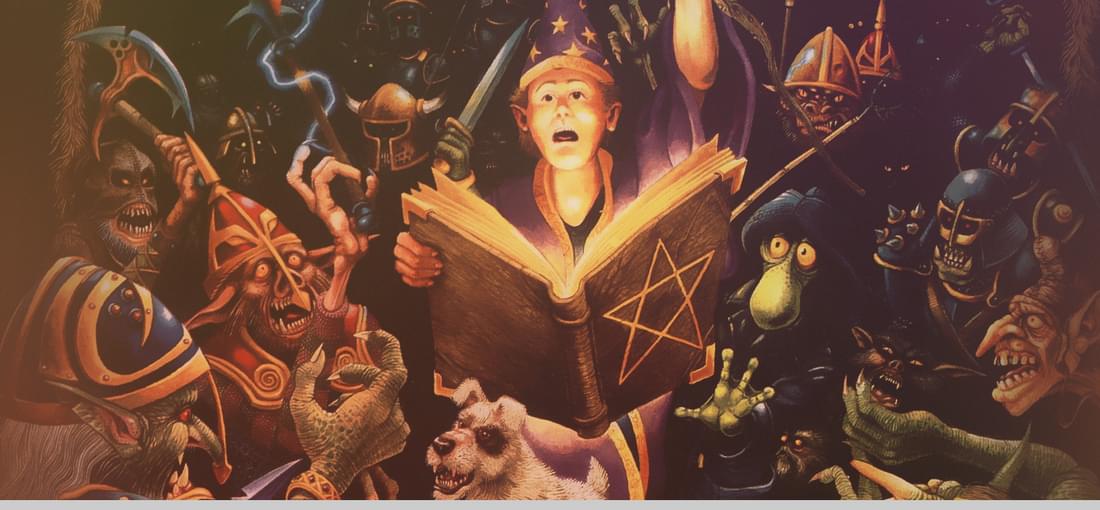
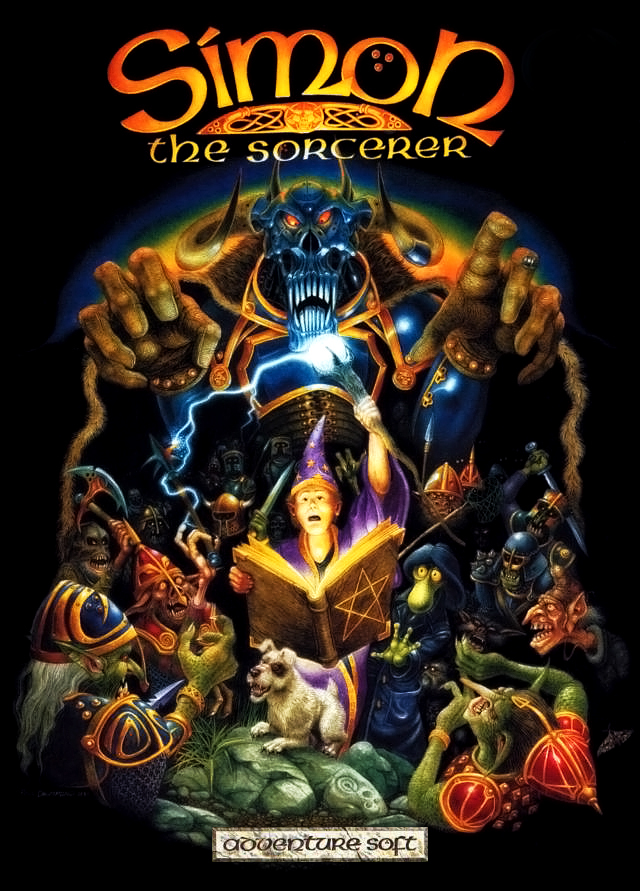
The first game in the Simon the Sorcerer series starts with a blend of 'point and click' and word- parser game play. As with the genre at the time, actions are not context sensitive, instead, you select an action via its 'word' and then an object or two to interact with. Simon, (voiced by Chris Barrie), starts off as a teen who appears in a fantasy/magical world after reading a book (Found by his dog Chippy), written by the Wizard Calypso, in his attic. The quest? To save Calypso, and the world from the evil wizard Sordid. Instead of a generic setting, the game world is a comical parody of fantasy and children's fable/moral stories. All done in good ol' British humour. While not as well written as some other games, and the time-period culture references will leave many non UK residents scratching their heads (or looking up wikipedia), it rarely falls completely flat and manages to keep people playing and smiling . Puzzle wise, there is thankfully nothing too insane and stupid as solutions. However you will experience a lot of backtracking (Made easier by a fast travel postcard), and picking up many items before anything can get solved. While the genre at the time is very linear, a number of these puzzles can be done in any order if you feel stuck. There are two versions on GOG, a talkie version and a subtitle version. But sadly nothing with both, as Adventure Soft did not release one. While hearing impaired players would be better off with the subtitles, a fair number of others would as well due to the speech/music bleeding in to each other. The solution here is to play via ScummVM with either the enhanced soundtrack, or by using the Audio Overrides and altering the speech volume. All in all, a good start to the series, be sure to check out at least the sequel after playing, as it refines the game to a higher level.
