
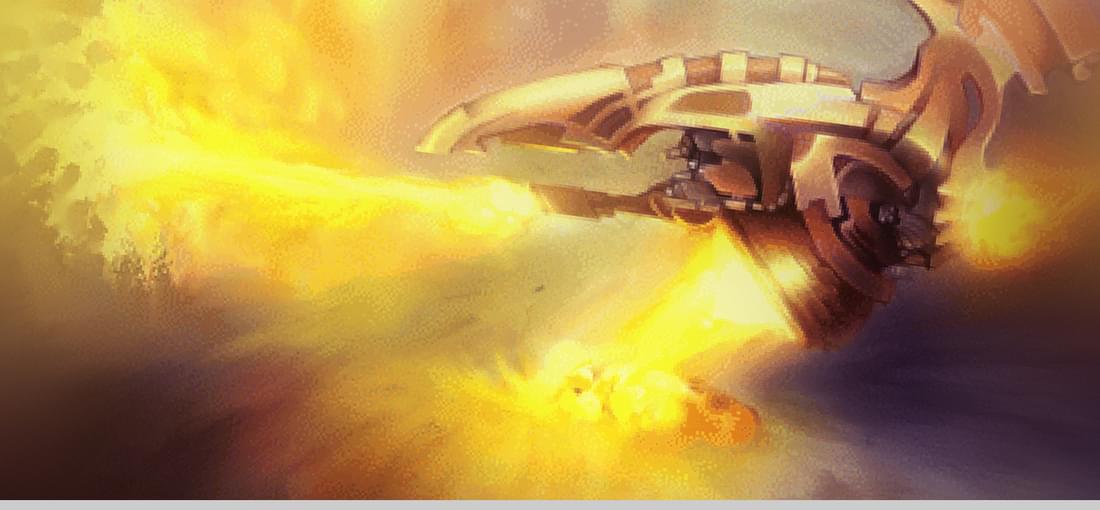
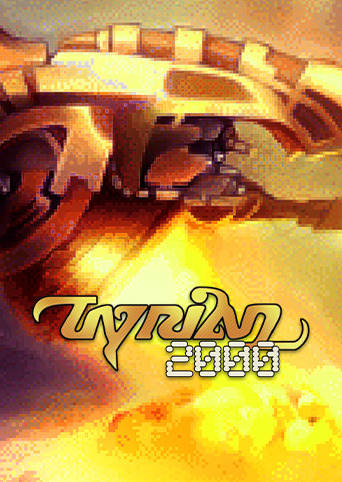
I remember playing this game with my cousin when we were kids. I completely forgot the name of the game. Thanks GOG for bringing back memories. I always liked the visuals and sound effects in this game. The variety of weapons, which all looked quite cool, and other customizations made for great replayability. Until I played the game again recently, I didn’t realize the campaign was packed with quirky lore, hidden secrets, and an unusual story about intergalactic plant matter.
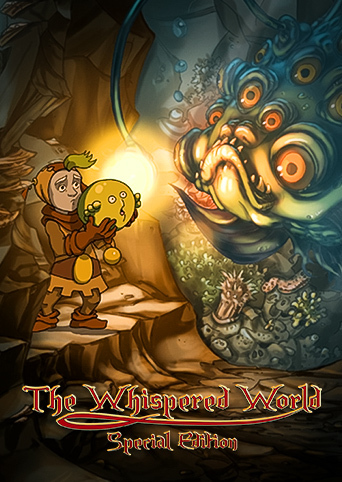
This game is undeniably beautiful. The hand-drawn characters and backgrounds look fantastic, and the pleasant music nicely complements the overall atmosphere. Unfortunately, that charm fades when you actually play the game. The main character is more obnoxious than sympathetic, and his unpleasant lisp was pulling at my ears. The puzzles are quite often illogical to the point of frustration, where it became a game of trial and error as you try to figure out the correct order of things. The similarity with Deponia is obvious. Another game by Daedalic Entertainment with unlikable protagonist and nonsensical puzzles. A shame, really. Beneath all that gorgeous art lies a game that’s much harder to love than it should be.
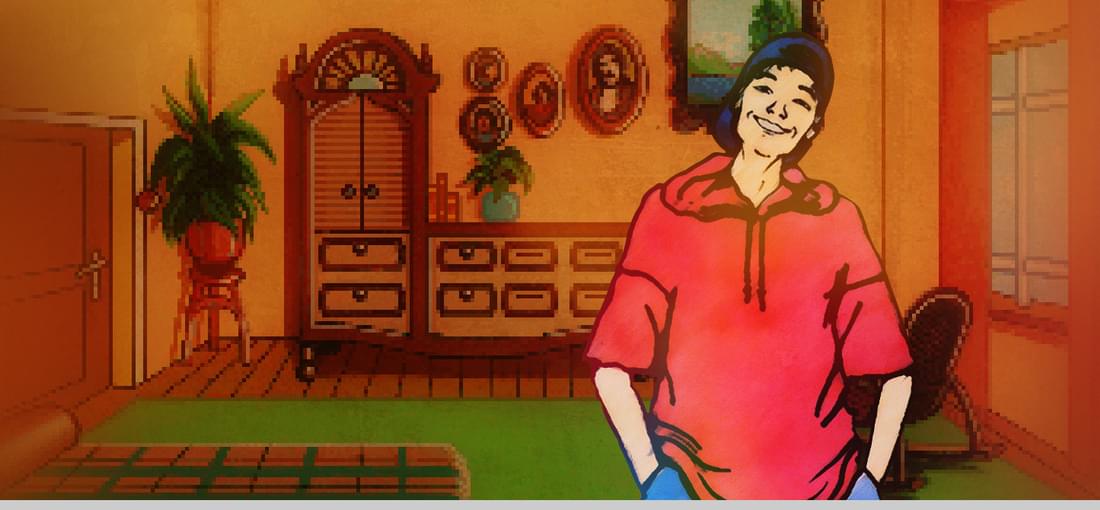
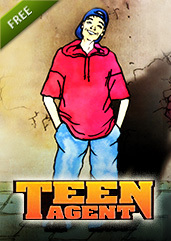
Reading the reviews beforehand, I had quite high expectations for Teenagent, but the experience fell apart almost immediately. The music is a grating short loop that repeats endlessly, quickly becoming unbearable. The puzzles are some of the least logical I’ve seen in a point-and-click adventure. Solving them feels more like guessing the developers’ inside jokes than actual reasoning. The humor, which is supposed to carry the game, completely missed the mark for me. Add to that the sluggish pacing and trial-and-error gameplay, and the whole thing becomes a chore.
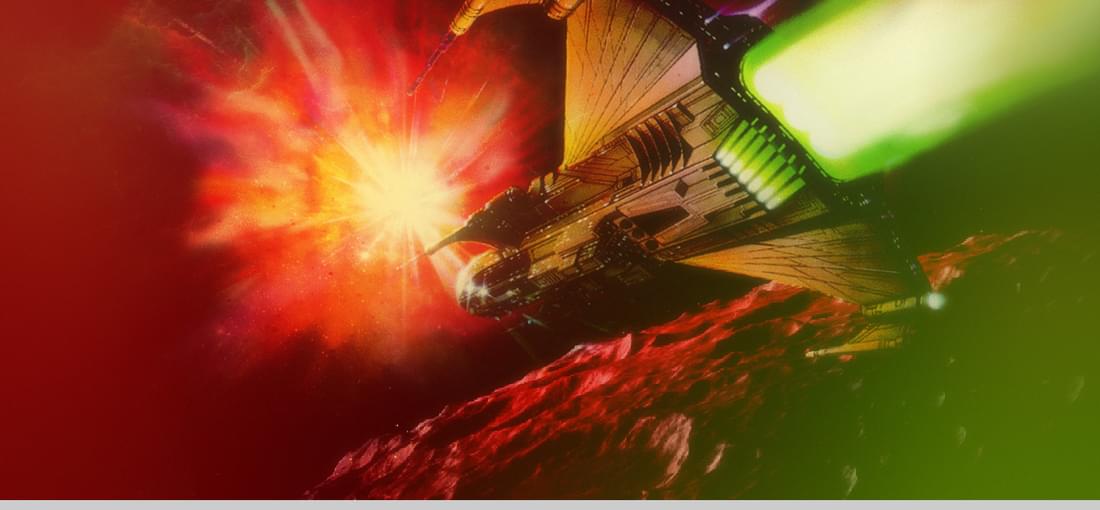
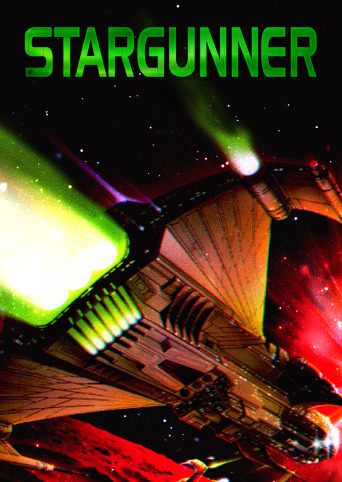
A classic side-scrolling shooter that delivers fast-paced action with a surprising variety of weapons and power-ups, ensuring high replayability. The visuals are charmingly colorful, and the soundtrack nicely complements the game’s pace. Overall, I would describe the game as nostalgic, challenging, and enjoyable.
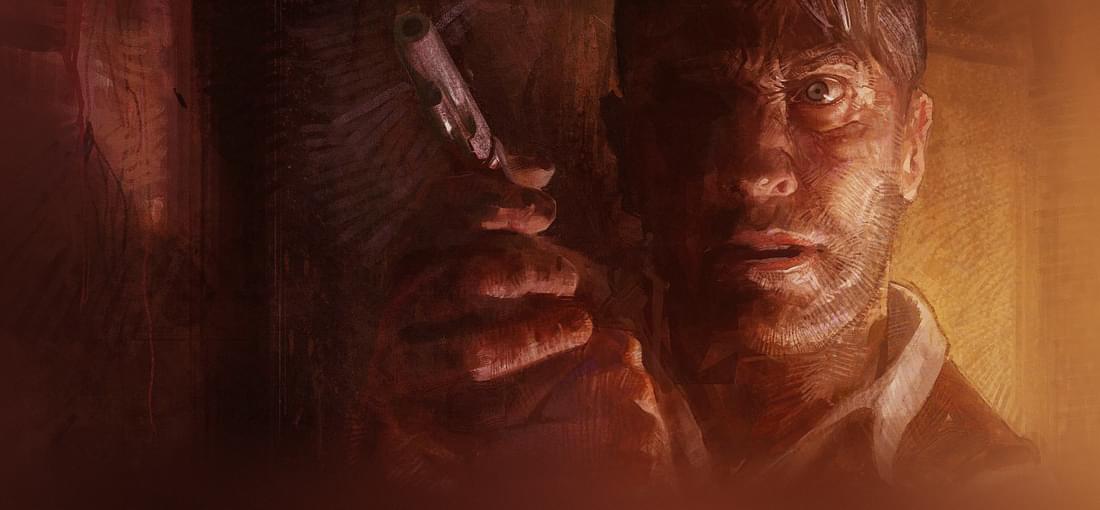
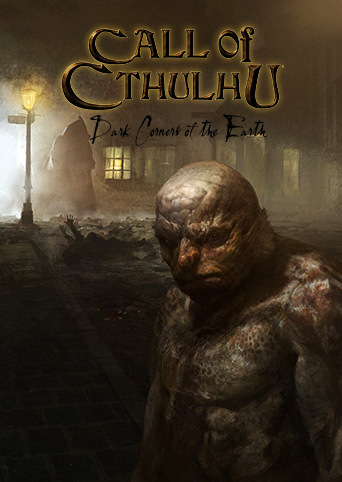
From a lore perspective, this game is fantastic. The 1920s setting, the atmosphere, and at times moments of genuine unease make it a superb foundation for a horror game. The first third of the game is simply phenomenal. Creeping through Innsmouth feels like stepping into a living nightmare. The oppressive mood, the paranoia, the way the townsfolk slowly turn hostile toward you, it’s masterful Lovecraftian horror. Unfortunately, once the game transitions from psychological horror to more traditional action fps, the whole picture starts to crack. The gunplay is clunky, the stealth, which was essential early on, disappears, and the difficulty spikes as the game starts throwing more and more enemies in your face. Still, if you are patient, forgiving of old-school jank, and drawn to cosmic horror, I think the game deserves a look.
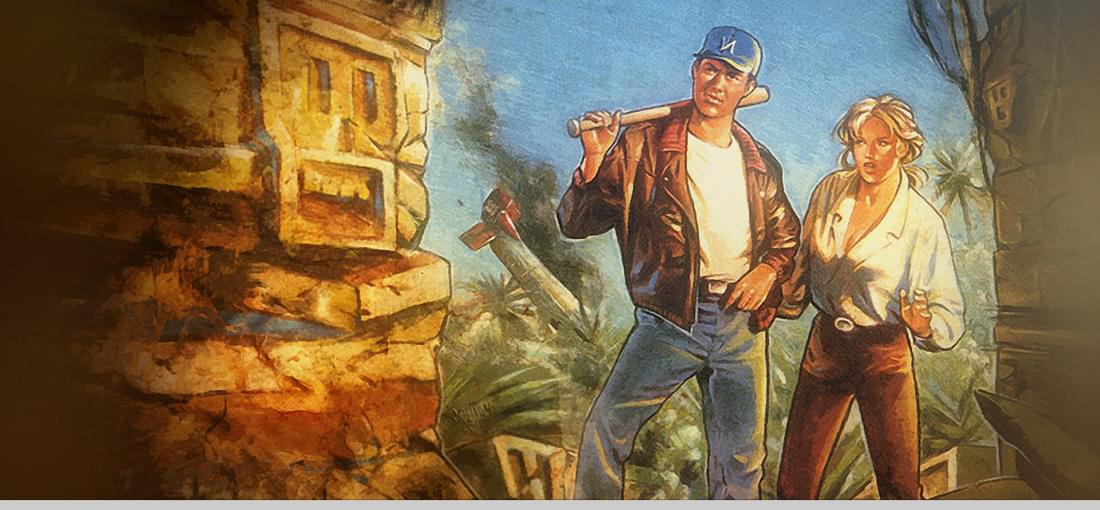
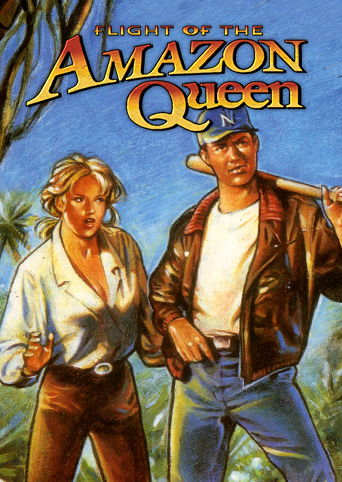
A very fun point-and-click game with classic pulp-adventure vibes. The story is simple and straightforward but still engaging, especially in the second half. I didn’t really like the characters at first, but they grew on me as the story unfolded. Aside from a few exceptions, the puzzles are logical and relatively easy to solve, making this game a good choice for newcomers to the genre. Visuals and voice acting hold up well for their time. The only thing I wasn't really a fan of was the frequent backtracking. Traveling between multiple screens just to grab one item used for a puzzle happened way too often for my taste.

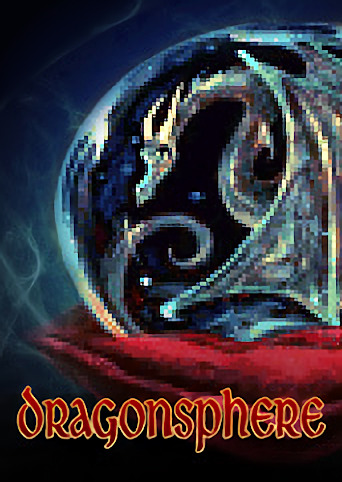
A classic point-and-click adventure, set in a rich fantasy world. The story is enjoyable, with a few interesting bits that kept me invested until the end. The game looks up to par with other titles from the same era, but I have to give credit to the animators, they did a great job. The animations are very smooth and detailed. The environments, on the other hand, are somewhat blurry, which makes looking for small items quite challenging. Puzzles are okay-ish, with some relying on non-logical solutions that make progress feel like trial and error, rather than clever problem-solving. It’s worth checking out, but expect a fair bit of tedium.
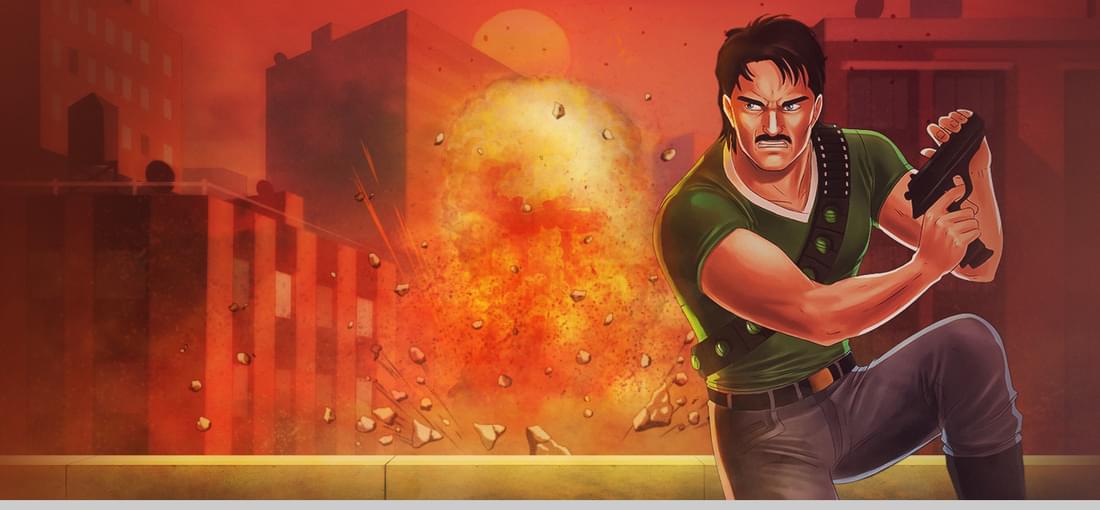
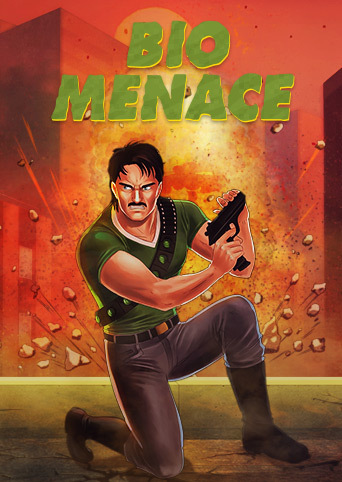
Part platformer, part run-and-gun, and 100% shareware nostalgia. Episode 1 is a blast: great pacing, fun exploration, and a great mix of action and humor. Unfortunately, by episode 2, the game starts to lose balance and by episode 3, the game turns downright brutal. The difficulty spikes and becomes uneven, one-shot traps feel unfair, and plenty of enemies can shoot you off screen. It still has charm and personality, but the later levels test patience more than skill.
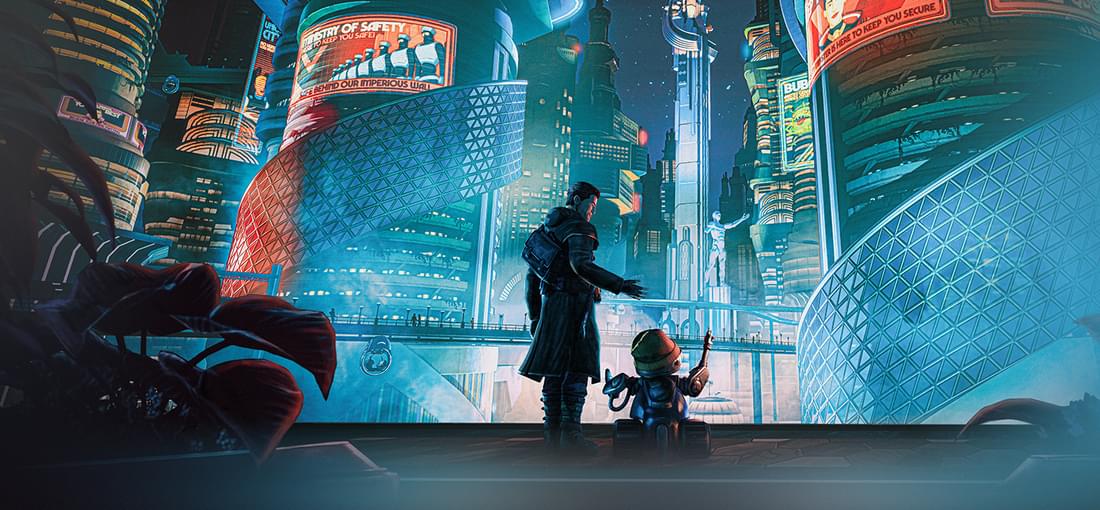
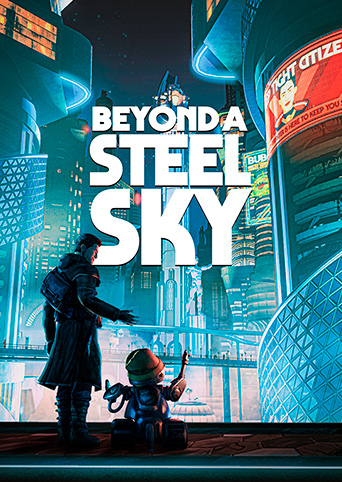
Overall, a solid modernisation of the classic adventure game. We return back to Union City, a decade after the events of the Beneath a Steel Sky. The 3D presentation and comic book style fit the setting quite well, and the game offers plenty of references to its predecessor. The story is engaging and quite enjoyable, though it never reaches the feeling and atmosphere of the previous game. The puzzles, while serviceable, tend to be easy and often repetitive. The final chapter also feels a bit underwhelming, leaving the ending less satisfying than I hoped. Still, Beyond a Steel Sky is a well-made adventure game with charm, humor, and a genuine connection to the world of the first game.
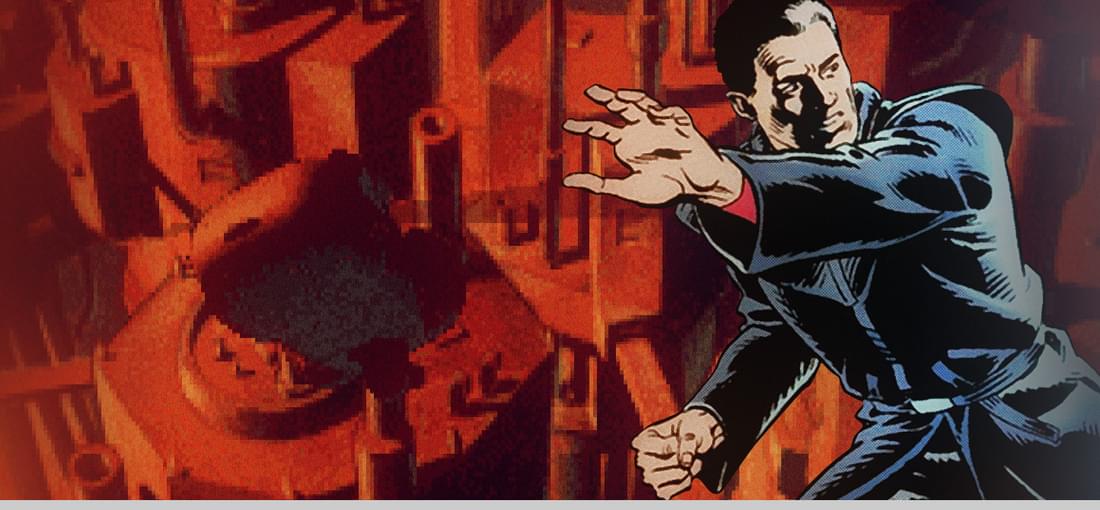

A game that still holds up decades later. The story is a great mixture of dystopian sci-fi, dark humor, and mystery. The writing is engaging, Union City feels alive and oppressive in all the right ways, and the main character, Robert Foster, is likeable, witty, resourceful, and easy to root for. I think the music also deserves a special mention. It is atmospheric, moody, and perfectly matched to the game’s tone. For me, it has everything that makes a great adventure game.
