



Posted on: November 6, 2025

Bonjie
Verified ownerGames: 108 Reviews: 1
Feels like a much bigger game
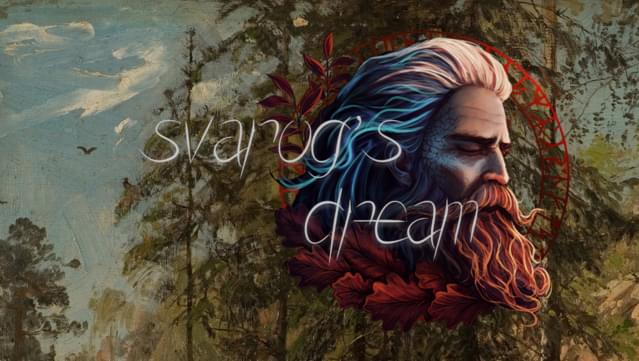
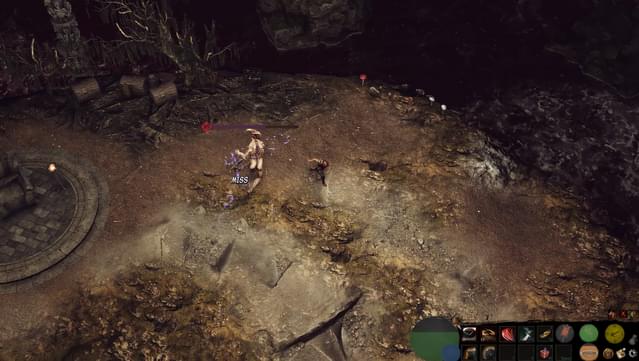
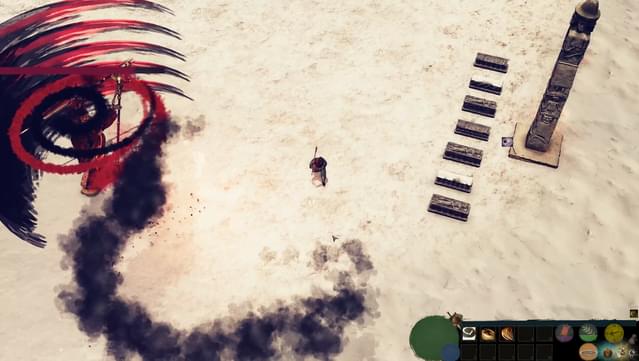
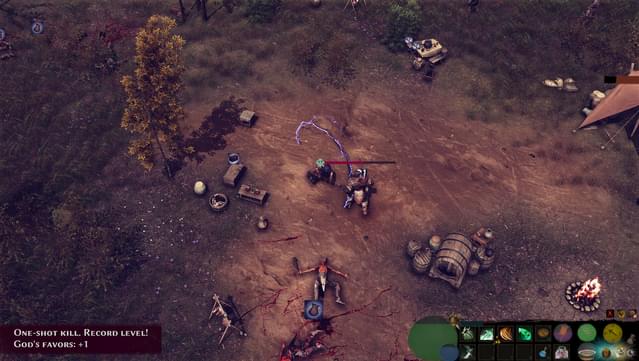
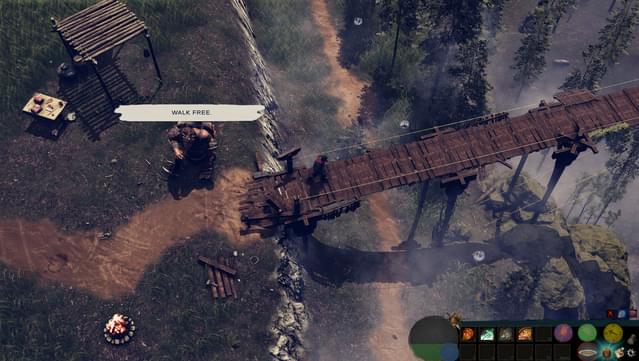
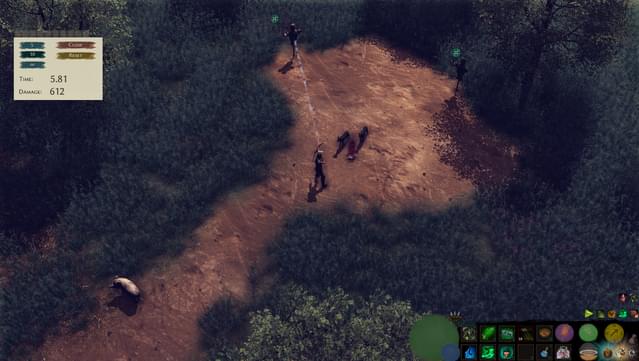
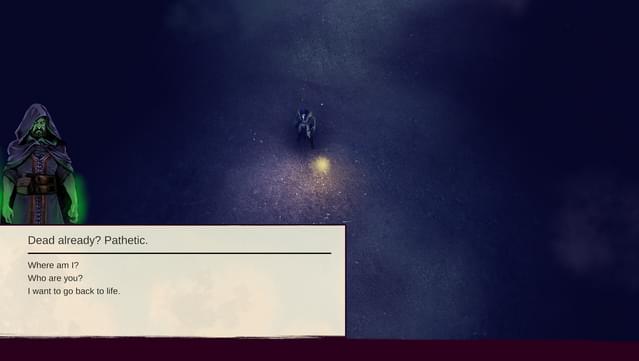
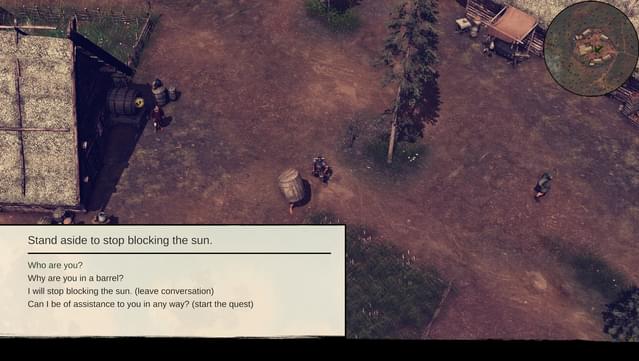
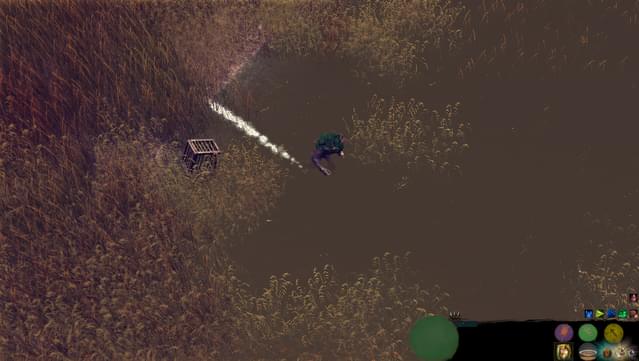
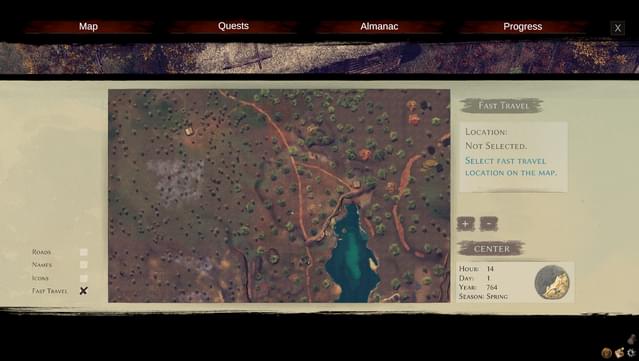
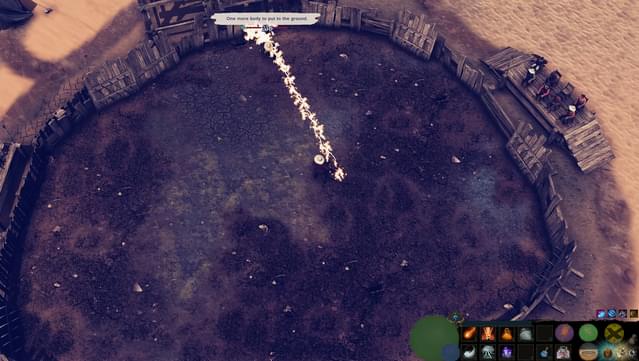
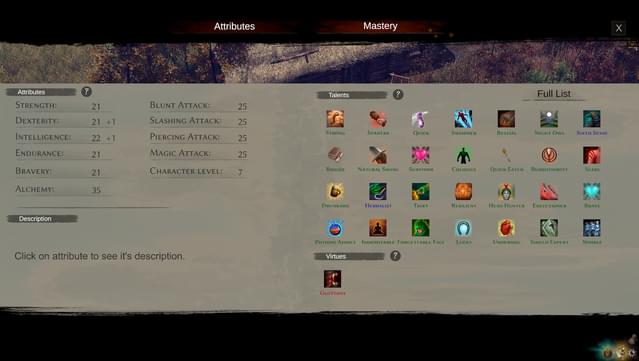
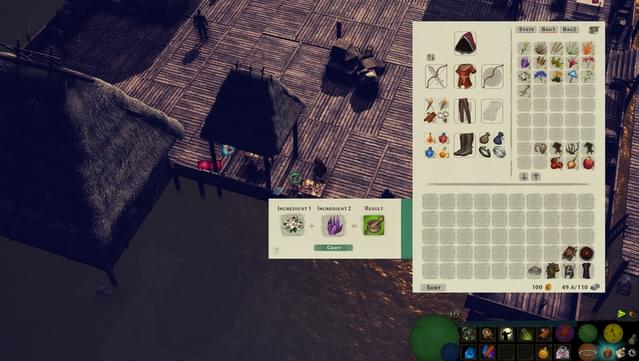
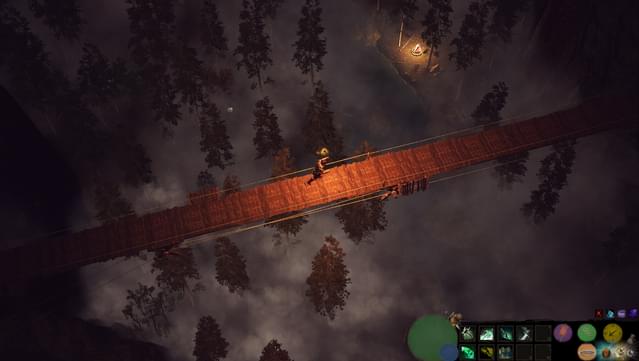
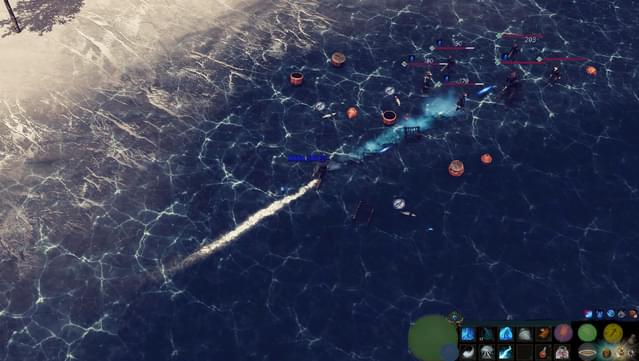
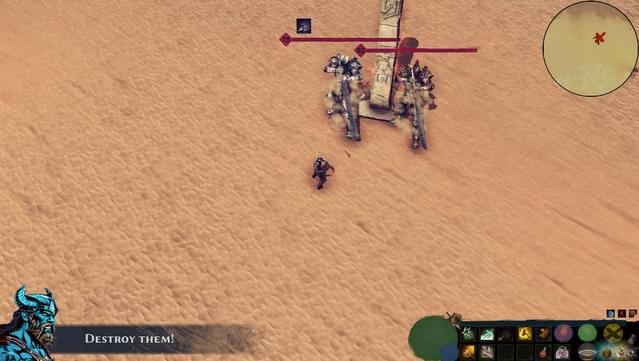
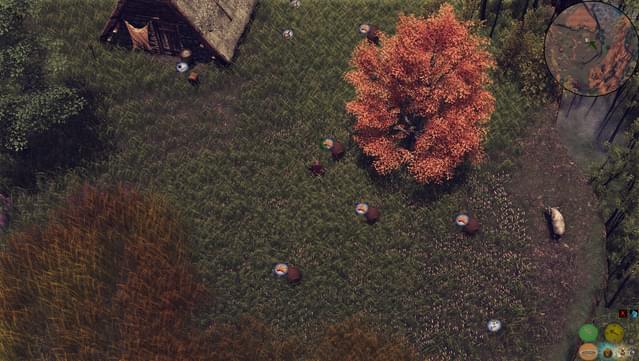
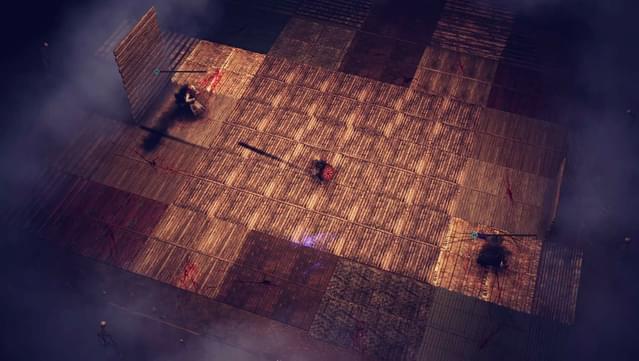
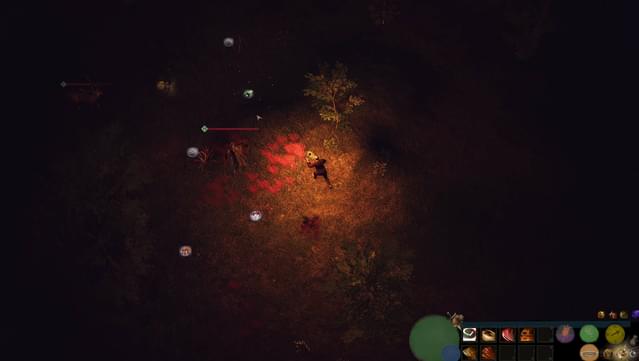
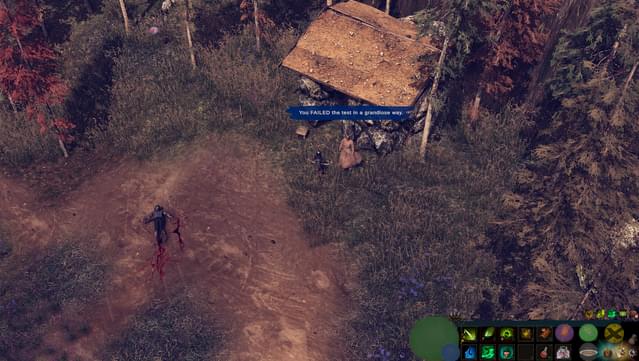
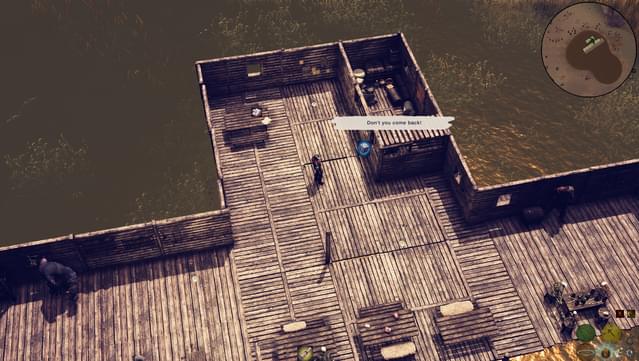
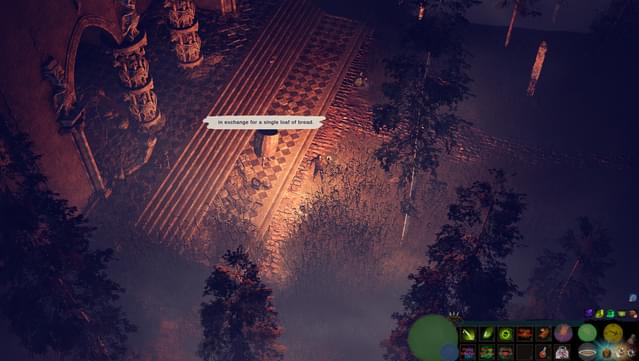
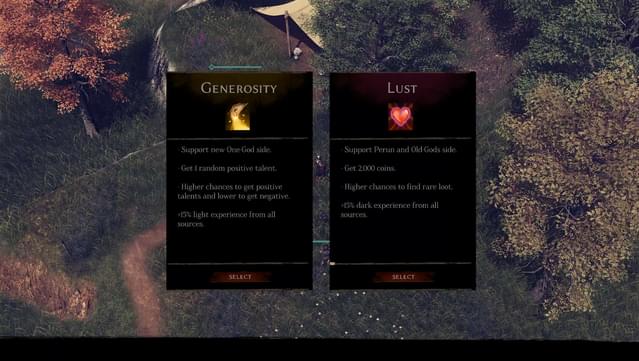
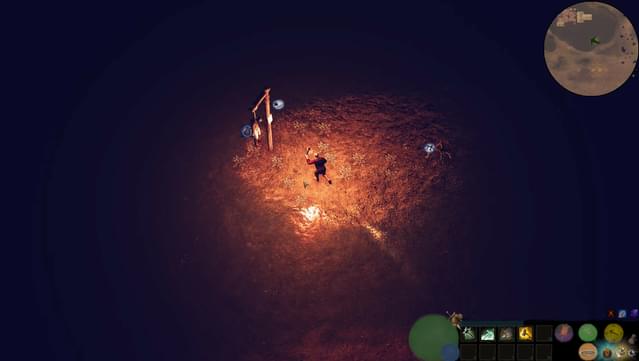
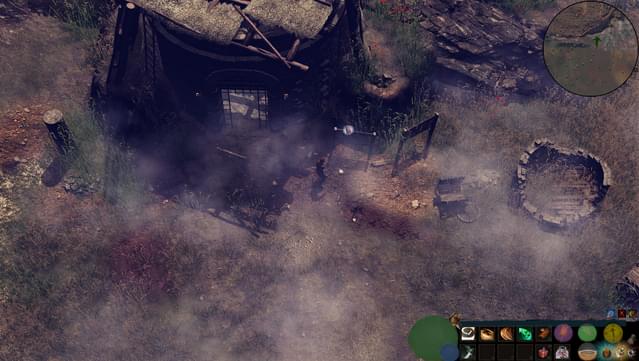
This is a long review. TL;DR: With a few superficial flaws but a lot of profound ideas and some deviations from the beaten path of the Action-RPG genre, 'Svarog's Dream' is an unmissable experience if you like to reflect on your actions instead of ticking off achievements. ## The bad news first ## Let’s get the obvious out of the way. Yes, this is a low-budget title. Yes, it shows. In case you choose not to acknowledge that 'Svarog' is at its core a two-person endeavor, here is a list of flaws you might compile: • The graphics look dated. Obviously, stock 3D models have been used that were not designed for a top-down perspective. Animations are basic, or they're outright janky. (Yes, looking at you, oxcart!) • The performance of the 3D engine is problematic. • The sound design is lackluster and at times ridiculous, with mostly free sounds in use. There's no voice acting. • Music selection is very limited (although appropriate). It relies on free assets that you've probably heard in other places. Transitions between pieces are often botched. • The interface design is inconsistent and at times atrocious, with an insane hodgepodge of questionable fonts (starting with the lettering in the game logo, what were they thinking?). • Aside from the interface, there is no artwork in the game aside from the same 7 or 8 deity portraits that you'll see again and again. Plus some public domain scandinavian (?) romanticist (??) paintings in the menu. • The dialog writing is rough and the storytelling is no less bumpy. • The map is small. Settlements are small. NPCs are few and far between. ## Why the cons are irrelevant ## None of those flaws matter. They don't matter because 'Svarog' is one of those rare gems that find the sweet spot in terms of gameplay rhythm. You venture into this small world, and while you're exploring how lovingly it has been crafted (in spite of the technical flaws), things happen to keep you motivated: You level up (which happens pleasantly quickly), you get assigned side-quests, you experiment with recipes to craft or cook, you are asked to pick a side in a conflict, random 'world events' allow you (or force you) to react, you want to know how the story unfolds. There's always something to do, to complete, to discover. Your progress feels natural, and the hours drift by, both in the game and in real life. ## 'Are we the baddies?' ## Doing all this, you start to gain a sense of freedom. 'Svarog' provides some guidance, gameplay-wise, but you can choose to walk away and find your own way at any time. The game doesn't do the thinking for you, even in terms of story. Yes, there are factions. Yes, there is chaos and there is order. (And maybe something else?) You will have to pick a side a lot. Sometimes you're asked to do so explicitly, sometimes you realize you made a choice through your actions only much later. Your choices have consequences, but it's completely up to you to judge. Judge whether one side is good and the other is bad, or if it's the other way round, or if such categories even apply. You will draw your own conclusions and there won't be a big revelation to set the record straight. And if you thought you'd figured it out in the main game, the DLC will turn these conclusions on their head. (Granted, the shift in tone between base game and DLC is rather unpolished and could've done with some editing.) Your story will unravel and end differently based on your decisions. ## Big budget couldn't pull this off ## Don't expect a Christopher Nolan script in 'Svarog', but maybe Nolan movies inspired some of the titular 'dream' aspects of the story. The characters, inspired by Slavic mythology, seem to be rather flat, with the relationship between them not fully fleshed out. But you will also get in touch with modern philosophical concepts. If you choose to follow those, it'll mean that you leave the predictable way of playing an ARPG - or a computer game altogether. You'll do things that go against your intuition. Things that spur hate in the Steam forums. If you do them, you might even see your story end in a way that no big-budget title would have dared to pull off. (That ending alone would merit a full star in this review like this, but there's a limit of five.) There's no plot twist, and yet there's a surprise that makes your heart skip a beat … go experience it yourself if that sounds intriguing. ## What about gameplay? ## Measured against the conventions of its genre, 'Svarog' is fine, I guess. It doesn't need to compare with more polished and more boring hack'n'slashers à la Titan Quest, but if you insist: The classes are fun to experiment with, and you can always respec with a potion that you obtain in different places or brew yourself. Some classes are way overpowered. There is one that rewards you disproportionately for not using special skills by turning every of your standard melee attacks into guaranteed one-taps for most enemies, which, when combined with leeching items, feels like cheating and is also just as dull. Other classes are weaker but more entertaining to fight with. Summon dogs and befriend snakes, anyone? Finding the right items will drastically improve your performance. Many items have fun properties and you can improve their quality by using forges. For this, though, you'll have to acquire parts, which can feel feel either like a side quest or like a grind. Then again, you're free to do as you please in this game. There's always another way. Fights can be challenging if you don't happen to choose an OP class, but there are mechanics in place to prevent frustration, e.g., a revenge bonus against the enemy that killed you. Like NPCs, enemies are scarce. You walk a lot, you stop to smell the flowers (and, more importantly, pick them for your next potion). You're not constantly fighting the same monsters on every corner as in other ARPGs. Even the world's very own 'Mordor' is cleared of enemies rather quickly in the lategame. ## Permadeath? Nah, keep it traditional. ## The extraordinary way in which 'Svarog' treats player character death, that is, assigning you a new character (read other reviews for details), makes sense in terms of story (well, sort of). However, I didn't find that it adds anything in terms of gameplay. Yes, 'Svarog' wants you to question a few things you take for granted in a computer game. Which is one of its greatest assets. But 'Svarog' is still a game, and in this game, death is painful: you lose all your character's attributes, which are what improves if you let your character do something repeatedly or drink a lot of very expensive/time-consuming potions. If you die, all those hours of archery or fishing or running or swimming or swordfighting will be lost. Your new character will be assigned standard values for all attributes, even if you previously trained to be a world-class mage, or alchemist, or pack mule. Fortunately, the game grants you freedom in this regard, too. You can always switch from the standard (i.e., permadeath) 'ironman' mode to a classic 'save and load whenever you want' mode, which I did after my first playthrough and which I found more enjoyable. The game warns you that you will lose some achievements this way. If you play games mainly for achievements, though, you might miss out on a lot that this one has to offer. ## Conclusion ## Here is a game that accomodates many styles of playing. It's fun, it's addictive. If you're just in for an indie ARPG, I guess you could spend some easygoing and entertaining hours with it. But this game is different enough from the genre monotony to be truly memorable. 'Svarog's Dream' gives you a lot of freedom, and by doing so, it feels like a much bigger game. It also really, really wants you to think about what you make of that freedom. Does it demand to know your thoughts, then? No. These reflections are just for yourself. (While some parts of this review are about the DLC, most of it applies to the base game)
Is this helpful to you?


